Useful Link
Contact
- Ansari Road , DaryaGanj, New Delhi
- (+91) 7355522957
- info@elitepack.in
Since the 1950s, a staggering 9.2 billion tons of plastic have been churned out, but a mere fraction – less than 30% – is still in use. Here’s the real shocker: a measly 600 million tons have been recycled. To make matters worse, a whopping 40% of plastic products are tossed after just a month, translating to a staggering 300 million tons of new plastic waste choking our planet each year.
Initial research indicated that 90% of oceanic plastic came from just ten major rivers, including the Nile and the Yangtze. However, newer studies from 2021 have revealed that over 1,000 rivers, particularly smaller ones flowing through densely populated areas, are significant contributors. Notably, the Pasig River in Manila is now recognized as the leading source of plastic pollution entering the sea.
Beyond terrestrial waste, fisheries also significantly contribute to marine plastic pollution. Microplastics from various sources, including intentionally added ones in toiletries and cosmetics, end up in our sewage systems and eventually in our agricultural fields. Astonishingly, the fields where our crops grow are 4 to 23 times more heavily polluted with microplastics than the oceans. These microplastics are then absorbed by crops and enter our food chain, posing human health risks.
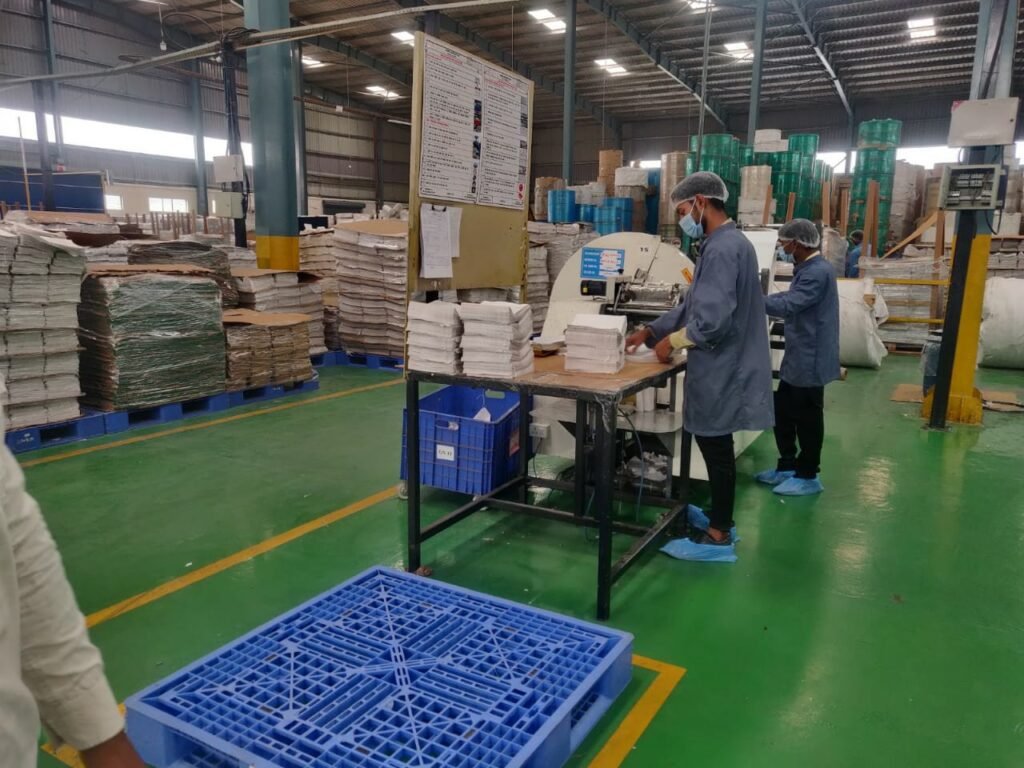
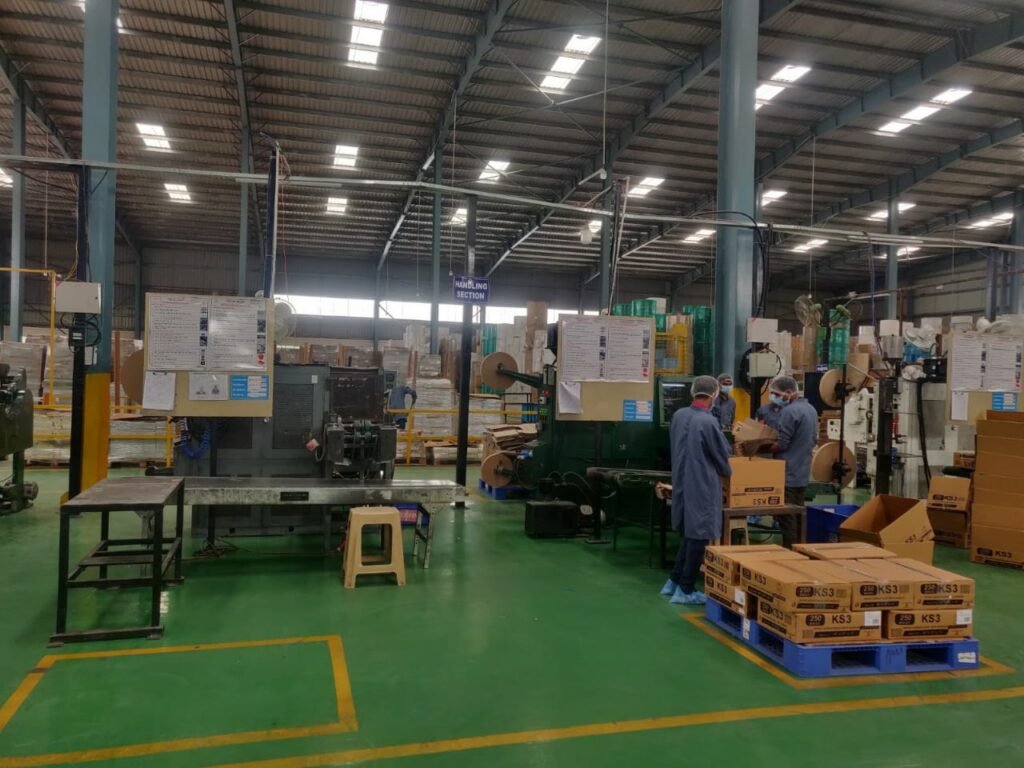
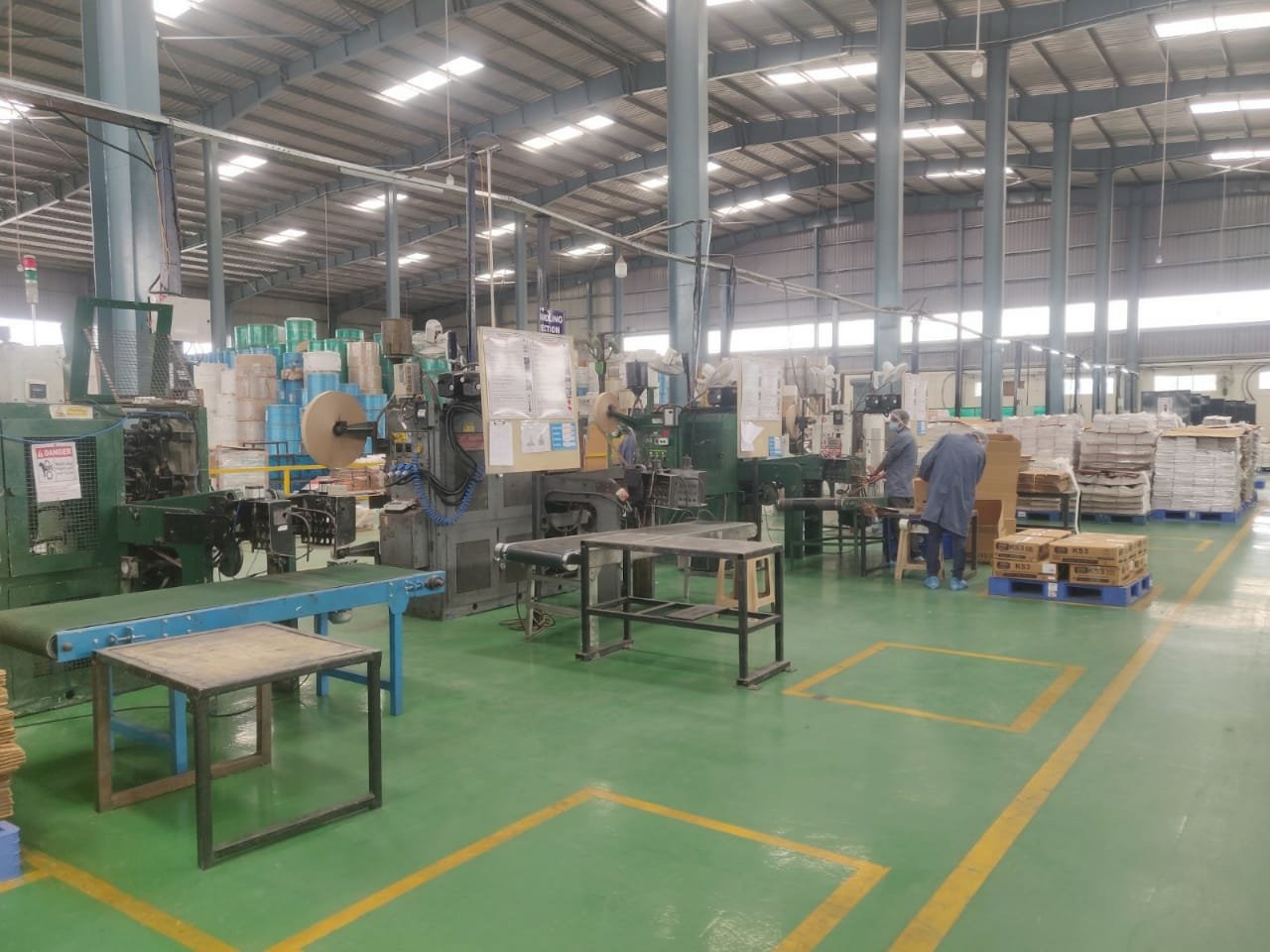
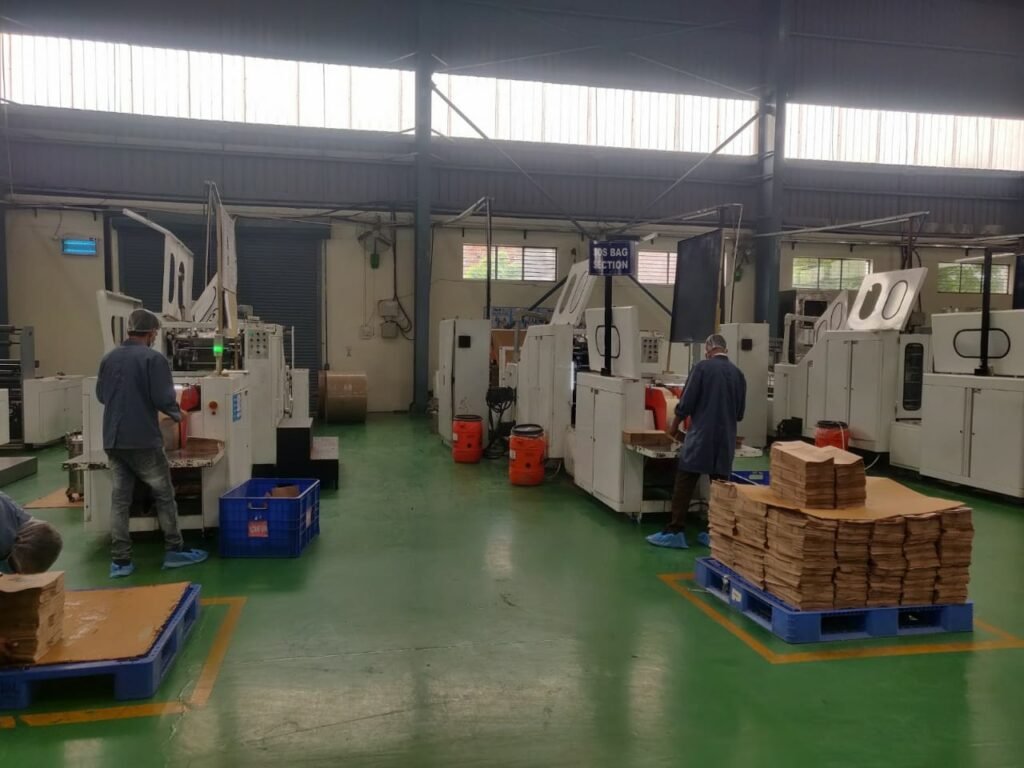
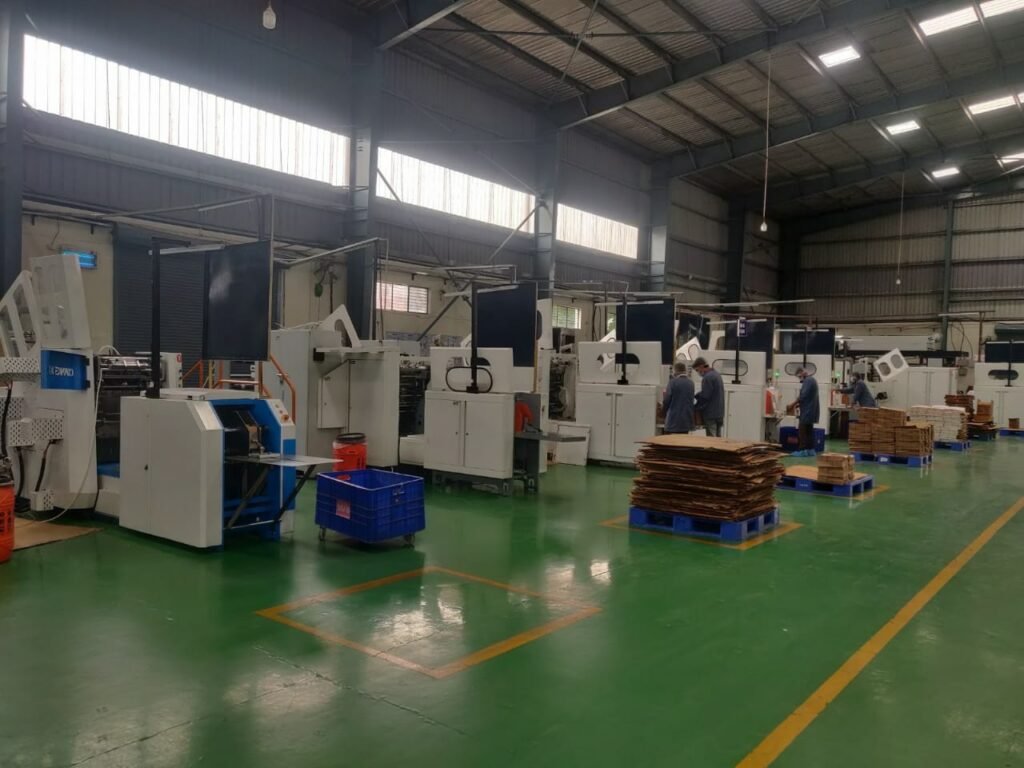
To combat the growing plastic crisis, switching to sustainable alternatives is crucial. Paper bags offer a practical and eco-friendly solution to replace the use of plastics. Unlike plastic, paper bags are biodegradable, easy to dispose of, and highly recyclable. They decompose naturally without leaving harmful residues, thus reducing pollution significantly.
Sustainable paper bags are not only environmentally friendly but also versatile and durable, suitable for various industries. Their use can drastically cut down the plastic waste that ends up polluting our lands and waters. By adopting paper bags, industries can play a pivotal role in reducing plastic consumption and mitigating environmental damage.
Lorem ipsum dolor sit amet, consectetur adipiscing elit. Donec vitae vehicula tortor. Mauris et nulla et odio vulputate sollicitudin. Sed ut semper velit, vel scelerisque lacus. Donec molestie hendrerit elit ut lobortis. Fusce quis nibh dolor. Sed ut quam tincidunt, scelerisque ligula ac, gravida enim. Vivamus consequat fermentum congue suspendisseare.